December 29, 2025
AUTHOR Inside Practice
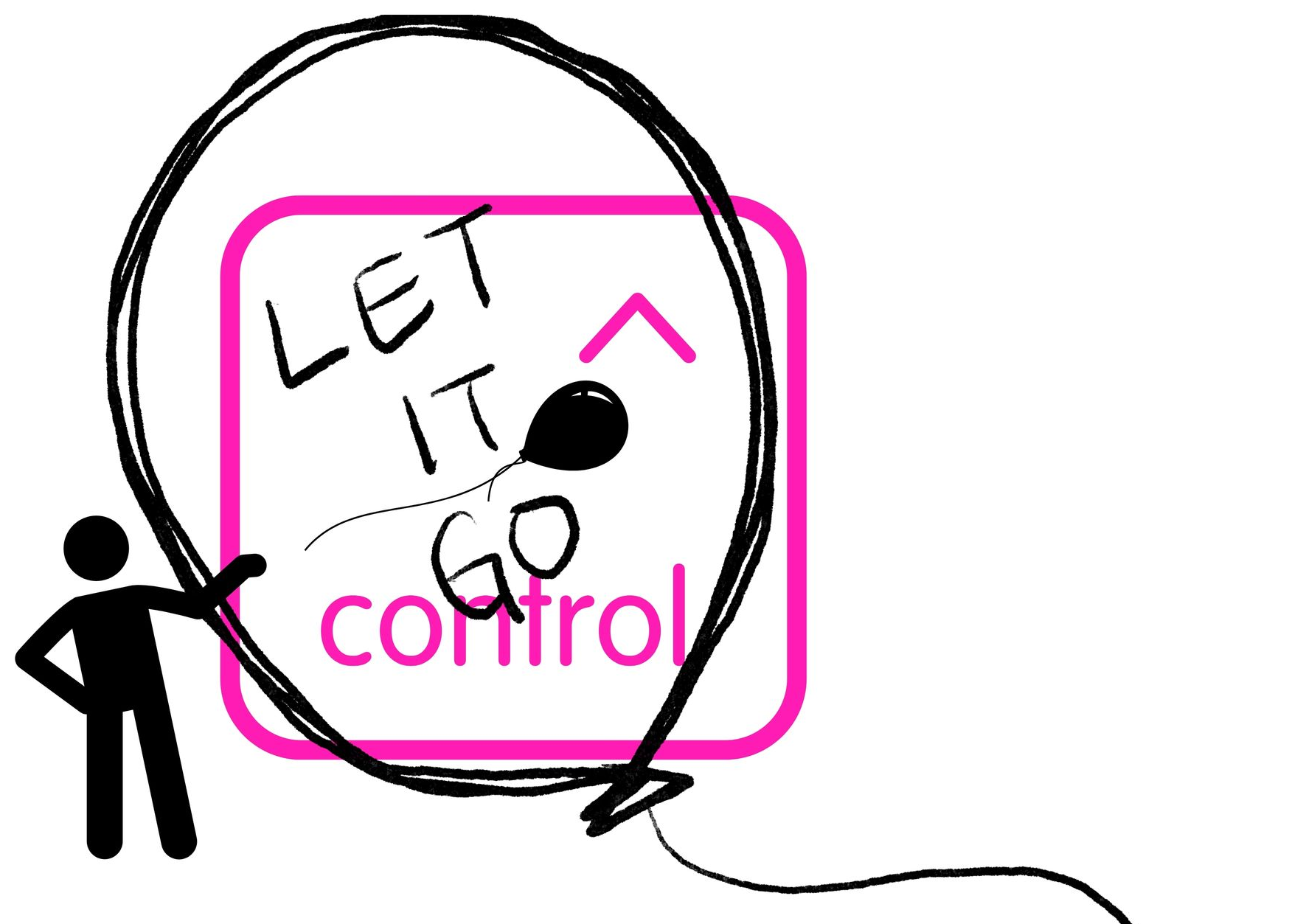
Why Accountability Requires Letting Go of “Control”
Most legal leaders want the same thing: teams that take ownership, follow through, and deliver high-quality work without constant escalation, chasing, or reminders.
But in high-pressure environments, many of us reach for the same familiar tools: more oversight, tighter checking, higher standards, more urgency. We call it “accountability.” In reality, it often becomes control.
And that’s the paradox.
The more leaders attempt to control outcomes through pressure, perfectionism, and micromanagement, the more they can unintentionally reduce the very things they’re trying to build: ownership, initiative, trust, and sustainable performance.
That’s the focus of The Power Paradox™ - Why Accountability Requires Letting Go of “Control”, an Inside Practice online discussion designed to help legal professionals rethink accountability, so it becomes a driver of resilience and results, not burnout and resentment.
The accountability trap in law
Accountability is not a soft topic in legal. It’s often framed as the difference between:
- a high-performing team and a constantly firefighting one
- proactive delivery and last-minute surprises
- trust and “I’ll just do it myself”
But legal work also creates the perfect conditions for control-based leadership: significant risk, demanding clients, compressed timelines, and a culture where precision matters. Under pressure, it’s easy to assume that more control equals better outcomes.
The problem is that control rarely scales.
When leaders over-function, teams under-function. When every detail is managed from the top, people stop thinking like owners and start behaving like task-takers. Short-term compliance can look like success, until engagement drops, communication fractures, and performance becomes dependent on relentless oversight.
What we’ll explore in The Power Paradox™
In this session, Libby Clark, Esq. and Dr. Kerry Murray O’Hara, PsyD unpack why real accountability doesn’t come from intensity, fear, or constant monitoring. It comes from creating the conditions where people can take responsibility and perform at their best.
Together, they’ll explore:
- Why control backfires: How pressure-based tactics (perfectionism, urgency, and micromanagement) can create short-term compliance while eroding trust, engagement, and initiative over time.
- Leadership through autonomy: What it actually takes to build clarity, psychological safety, and shared responsibility, so teams can operate with higher ownership and fewer handoffs, check-ins, and bottlenecks.
- Practical accountability frameworks: Simple, usable approaches to improving follow-through and communication, without defaulting to more oversight, more chasing, or more pressure.
This isn’t theory. It’s a practical reset: how to move from fear-driven control to trust-based leadership that holds standards and protects wellbeing.
Why this matters now
Legal teams are being asked to deliver more, with fewer buffers. Many leaders feel caught between two competing realities:
- the need for speed, precision, and predictable delivery
- the need to protect long-term health, engagement, and retention
The “control” default often feels like the only lever available. But it’s also one of the fastest routes to burnout—for the leader and the team.
The Power Paradox™ offers an alternative: a shift in mindset and approach that can improve performance while reducing the stress of constant monitoring and second-guessing.
Who should attend
This webinar is designed for legal professionals who lead people, shape culture, or manage performance in high-pressure environments, including:
- Law firm partners and practice group leaders who want more ownership and follow-through, without increasing pressure
- Managing partners and firm leadership building sustainable, high-performing teams
- In-house legal leaders and senior counsel managing complex workloads across cross-functional stakeholders
If you feel stuck between demanding results and protecting long-term team resilience, this discussion is for you.
Speakers
Libby Clark, Esq.
Co-Chairperson, NYSBA Attorney Wellbeing Task Force
Libby is an attorney and strategist who has led impactful initiatives on lawyer wellbeing, with a focus on leadership clarity and building healthy, high-performance cultures.
Dr. Kerry Murray O’Hara, PsyD
Clinical Psychologist; Director & Founder, DBT Wellness & Psychological Services
Dr. O’Hara is a clinical psychologist specialising in workplace mental health and wellness, bringing deep expertise in the psychology of leadership, team dynamics, and sustainable accountability.
Key details
- Date: Wednesday, February 4, 2026
- Time: 11:00am -12:00pm EST
- Location: Online - Inside Practice Community
Complimentary attendance is available for those who confirm their place by 21 January using code: POWER.
Questions about registration? Please contact contact@insidepractice.com
Join the discussion
Accountability doesn’t require more control. In many cases, it requires less—plus more clarity, stronger agreements, and leadership that builds autonomy instead of dependency.
If you’re ready to challenge the assumptions that keep leaders stuck in micromanagement, and replace them with a healthier, more effective approach, join us for The Power Paradox™.
Confirm your complimentary place by 01.21.26 code POWER